
I use a solution focused approach in all my work. It’s the fastest and most effective way I’ve found to get good outcomes for the people I work with.
Here is my understanding of how and why this approach works…
Our brains have evolved over many hundred-thousand years to be very good at detecting threats.
They process information very quickly and categorise things in the fastest and easiest way to save time and energy. They then try to problem-solve based on these quick judgements/assessments of a situation.
As a result, we often end up living a life focused on problems and threats (sometimes accurate, sometimes just a by-product of the way the human brain has evolved, though both feel equally real and we naturally respond in the same way to both).
This is very useful for survival, but it doesn’t necessarily serve us in the long run.
Because what we focus on shapes our thoughts, feelings and behaviours.
When we’re focusing on problems and threats, our lives can get further and further away from where we want them to be.
In contrast, when we turn our attention to what’s working, what’s helping and what’s good in our lives, we activate different parts of the brain: the parts that are involved in creativity, connection, communication and all sorts of other things that contribute to our happiness and wellbeing and get us out of the threat/problem loop.
This is how the solution focused approach works and why it’s so effective: instead of focusing on what you don’t like and what you want to change, we look at what you do like, what you want to stay the same in your life, and what you want more of.
Instead of focusing on what you’re not doing, or what you feel you should be doing, we focus on what you are already doing that is helping, even in a small way.
In this way, the solution focused approach brings clarity about how we would like to be living and draws attention to all the skills, strengths and resources we already possess that could make it a reality.
Life will always be full of challenges. No-one is immune from disappointment, loss, heartache or pain. Everyone has regrets. Bad things happen to us, and the people we love.
It’s how we view and deal with these things that makes the difference.
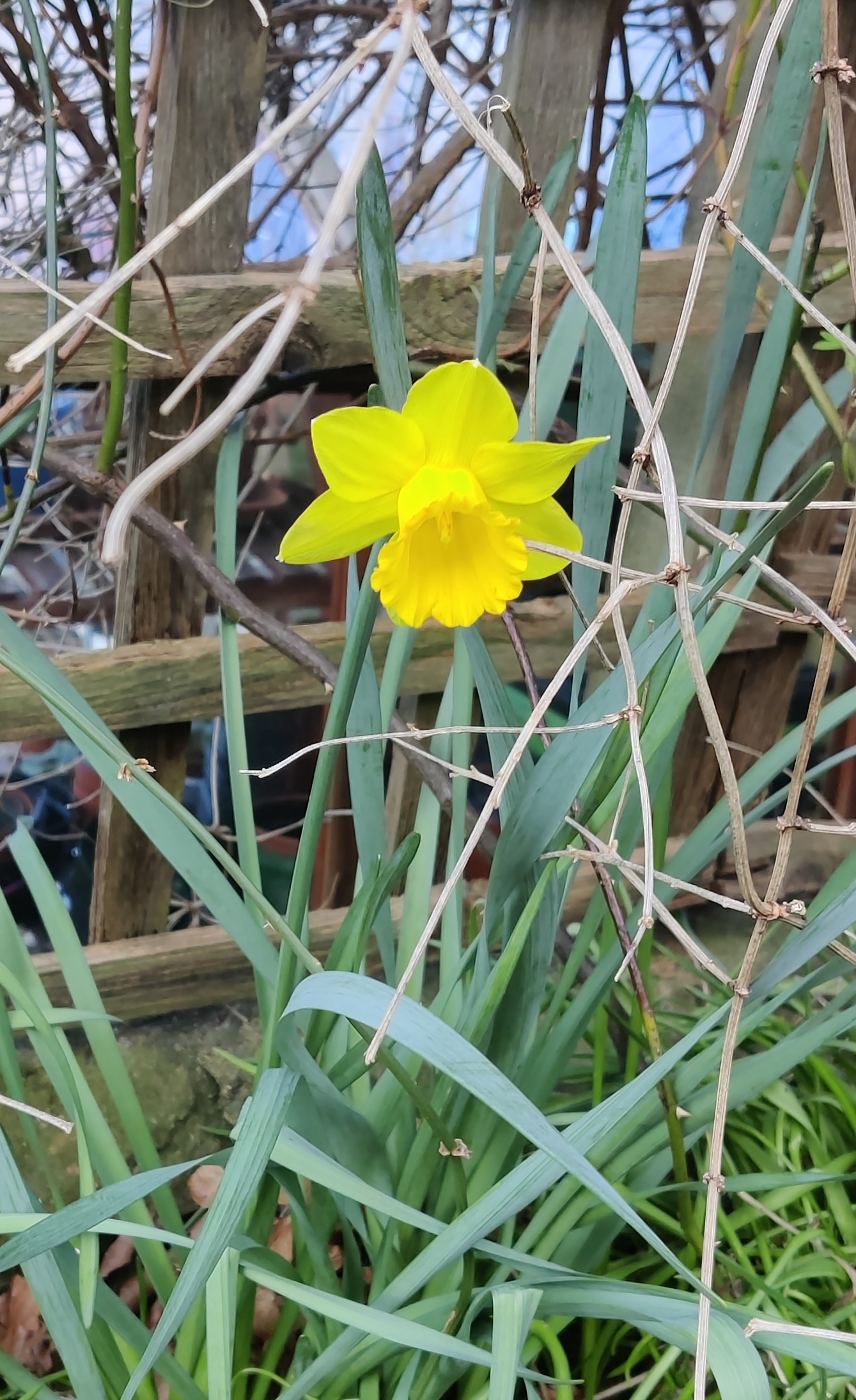
So let’s water the flowers, not the weeds.
 phoenixology